We will start with the review done by New India Express, which revealed that 86% of the global workforce are either “struggling” or “suffering” from mental health. This was a study done by Gallup’s State of the Global Workplace report. So, if we take this seriously, then the question here is, at what cost are we working for growth? Is the only way to grow to compromise on our mental and overall health?
The earlier system was designed like this pattern: growth will only come with more effort, and then only we will be able to get more money and more respect. But somehow with this, it is clear that the system costs us our mental energy, which is not acceptable with the new generation and definitely not to Gen Z. People now want to live the life with work, they want to balance all the aspects of life, which is a goal for 2026, not only constantly being underworked and proving yourself. The stereotype routine of males and females has changed drastically over the period of 10 years, and it is still modifying likewise. People adapt to new things and focus on points that were not even considered before, for example, mental health. And we are now better at understanding that slow growth does not mean less ambition, but we try to balance it where everything feels safe, seen, and valuable. growth where every day you have to sacrifice your personal time, where you are not even able to get proper sleep, and you are working on holidays, and breaks feel like you are doing something wrong. So is the job really a growth worth your life?
This blog is not about any motivational speech to choose peace but an eye-opener to what is really happening today. Why do we feel guilt, why are many professional workers, especially in India, now redefining success, and why is that not laziness or settling for something less?
There Was a Time When Growth Automatically Meant Winning
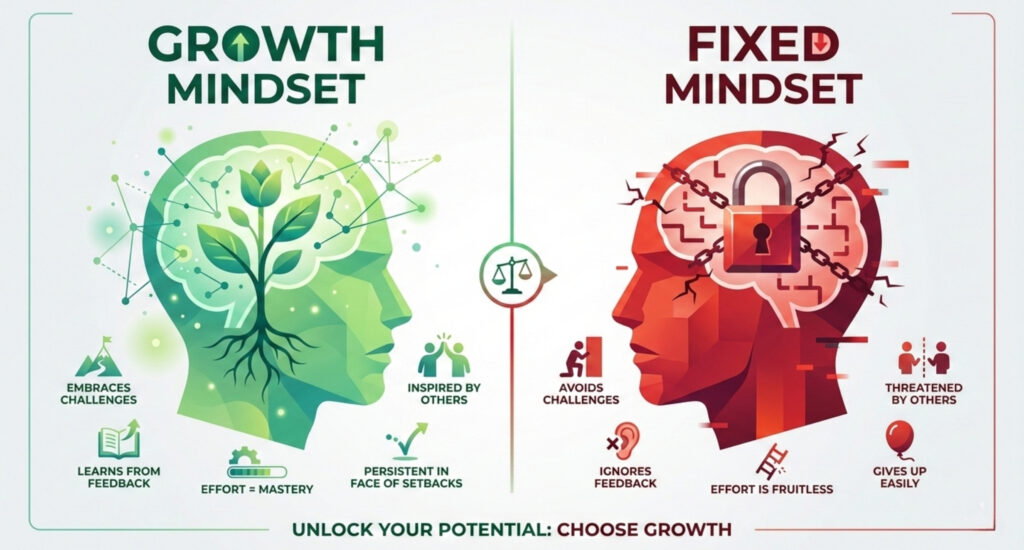
The model of being busy and giving all you have to work only worked for a while. But we all can witness the change now. There was a time when our parents and the generation before them were working, when speed was rewarded so much that slowing down and choosing anything else or some quality family time almost felt foolish to society as well as yourself. Also in India, where career growth is not only about you but also becomes the family’s scoreboard because you never know in which family function you are sitting, and some random uncle asks you, “Package kitna ho gaya?”
So, clearly your talent and caliber don’t matter if numbers are not impressive, even when we are watching cycles that the older generation didn’t face: sudden layoffs, constant skill upgrades, and fear of being replaced at work. So yes, growth was equal to winning because it wasn’t just ambition, but it was safety. But not now because the definition is changing; we understand that stability doesn’t always arrive at the end, and growth at any cost is not natural now.
Remember the time when you were starting your career? You wanted to do your best, and you always said yes to extra responsibility just because you didn’t want to look not hungry. You wanted validation and strove to be the best so that no one could ever replace you! When it starts, family understands it, friends praise it, and your brain rewards it, and it feels like you are moving forward. But did you enjoy doing all of this after 5 years of your career? Will you be able to keep up the same excitement and hunger every single day? Think about it.
Know more about: What Are the Strengths and Risks of India’s Workplace Culture?
The Moment Growth Started Feeling Heavy Instead of Exciting

There is a difference between Indian work culture vs. other countries. We will move ahead with the example of promotions: in most countries, when a promotion happens, then it feels like a breakthrough for the employee; it doesn’t come with 10x more work along the way, but in India it is an achievement you have earned for yourself and also for your family and society, but somewhere deep in your heart it feels like you will earn more but also carry more. More calls, responsibility, expectations, meetings, and more time at work, plus more stress even when you are technically at home but mentally at the office. Here, we are not saying this happens only in India, but the ratio is higher in India than in other countries.
The twist here is, you don’t feel at rest anytime; your recovery phase and family time are somehow compromised, and you feel weird emotional cliff where you start feeling anxious for no obvious reason. It finally started to feel that the successful life you have built is not the one you want to keep living for the next five years. It doesn’t mean you hate your job, but you don’t want to carry the weight that comes along with growth.
Must read, if you too are feeling burned out at work, here’s the fix.
There is always a choice to choose the stability where you are able to plan your month without feeling like everything might change in a week. If you too feel the growth is heavy rather than exciting, then you should pay fair focus to your feeling, this is your point to listen to yourself and choose the life where you will be happier than exhausted.
Why Stability Feels So Rare – and So Valuable – in 2026

What is stability according to you? Take a moment and give yourself a thought about it. Think about what you feel about it. Did you find it very rare? and we think it truly is.
Moreover, you know what is currently happening in the market, two very opposite things are happening. On one side, job switching remains constant for growth and value, while on the other hand, a larger proportion of employees wants stability and long-term security, and both can be true, it is just a matter of choice and where you feel safer. With the rise of new technologies, new skills, and new trends and roles, our identity has become “in progress.” Plus the cost of living and responsibility load, the need to be financially prepared, is the reason why stability—predictable income, steady work, manageable routine—starts looking like luxury.
With you constantly chasing the growth, pressure always comes with a cost; in your 20s, the cost is sleep and freedom. In your 30s, the cost might be relationships, parenting time, or health. In your 40s, it’s often the slow realisation that your body doesn’t negotiate the way it used to, and that’s where you realise the meaning of stability, and we regret it, but this generation across all ages is much more aware about it and brave enough to take action before it’s too late.
The Silent Shift People Don’t Talk About Publicly
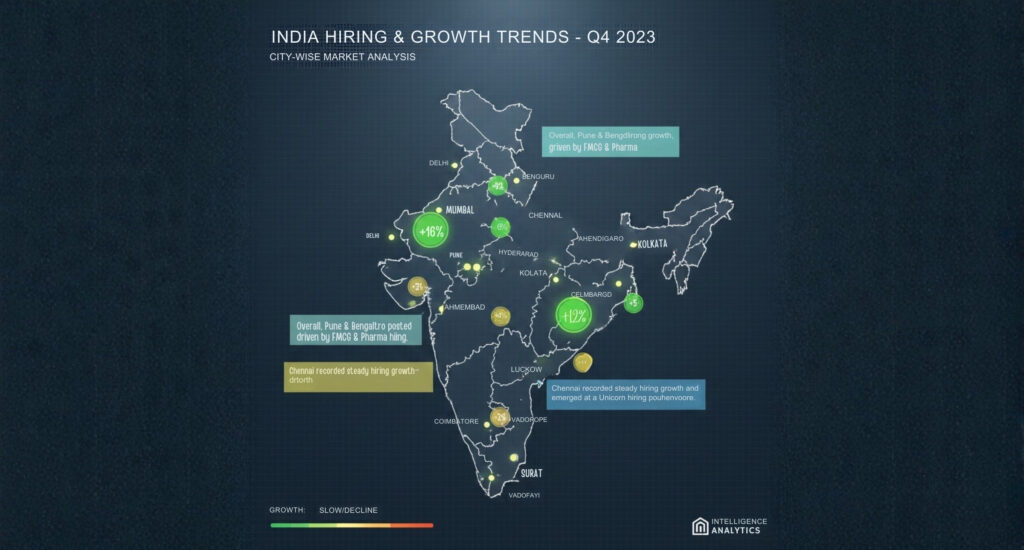
Source : Naukri Bazar
Remember, during the pandemic years, people were so much more concerned with their health and mental well-being, and we saw a rise in people leaving their high-growth jobs. If we connect it with data from LinkedIn, even during 2024 and 2025, there is a noticeable rise in professionals choosing stability and long-term fit rather than rapid growth and very high-income jobs.
Clearly at this point of life, many of us are so confused between choosing growth vs. stability. Sometimes it feels like the question of being lazy vs being aware. Even if people are choosing stability, we see constant job promotion and growth journeys on LinkedIn, which again makes us question our choice, and we feel FOMO. We feel like, “Is this the right time to settle?” but again, when we feel the overload, our choice changes.
In reality, this is not the case with everyone; there are many employees in India that are blessed with good companies and love doing their work, while punch-out time doesn’t feel like something is wrong. If you are one of them, then consider yourself as very blessed one because, just to better understand this, we look into the article in Naukri.com, which shows that over 60% of job seekers want to have predictable work hours and long-term stability in India; they are not leaning towards faster increments but unpredictable schedules.
Also in this scenario, the definition of ‘risk’ has also changed. There was a time in early 2010 or 2020 when we always celebrated risk-taking, but in 2026, this will not be the scene! So be wise and choose the one that you feel is best for your life.
Growth vs Stability Is Not a Binary Choice – It’s a Phase
A startup company in its initial stage prioritises growth and expansion, but as the organisation matures, it leans towards stability, which means focusing more on optimisation, profitability, recognition, etc. So here, does that mean that the organisation is not growing? Most of us will take it as a constant growth, but when the same rules apply to our employment, then why does choosing growth vs. stability become a binary choice and not a phase of professional life? It is not about slowing down, but it is about structuring things to jump even higher. It is about understanding the needs of where we want which phase! We often consider growth as an upward line and stability as a straight line, but we are supposed to earn stability after years of pushing growth.
There are times when you are learning fast and expanding your skills, taking up more challenges because your energy can support it, but when you don’t feel so, you can move ahead with confidence during your stability phase. Willing to grow without a straight line comes with a cost that we pay off one way or the other, loudly or silently.
We can closely feel the balance of growth without stability in our early-to-mid 30s, because generally at this age our responsibilities compound, parents age, we have to look after children’s expenses and education, EMIs begin, and the cost of unpredictability rises sharply. And so here the story is no longer about permanent acceleration but more about knowing when to push and when to hold.
We hope this mindset removes a lot of unnecessary guilt, and you can think in a better way for growth and stability.
What Success Actually Looks Like in Real Life Right Now
What is your dream success? Do you enjoy being blessed with :
– Workday that ends at the very exact time
– There is no burden of work after the working hours.
– To have mental peace to cook and spend time with family and friends
– To pursue your hobby and do what you like
– Having quality time with yourself
– Peaceful sleep without any anxiety or pressure
– Predictable income so that you can plan accordingly
It means that your definition of success is not tied with how fast your career is moving, but it is more about how stable your days feel each day. It is not about constant stress and a life that only revolves around work but about living work-life balance in its true meaning. But many of us don’t dare to pursue what we like, but when we experience instability, then all of a sudden predictability stops sounding boring and starts sounding responsible.
Interestingly, all of the above pointers don’t mean any less ambition or willingness to grow, but they are about being mindful of balancing all those things in the right amount and without burning out. In the last few years, many things have changed. People have started asking themselves, “Can I live like this for the next five years?” and we feel this is a major decision shift. India is growing right now.
Earlier, settling down was correlated to giving up, but now we see it as a clarity and important factor in knowing what matters, what to value, and organising your life around all of it. It is ok if you don’t demand constant validation. If you enjoy going to work, if you feel calmer in the mornings, and if you have less anxiety, then you are living the version of success that will feel like achievement one day.
A Question Worth Sitting With
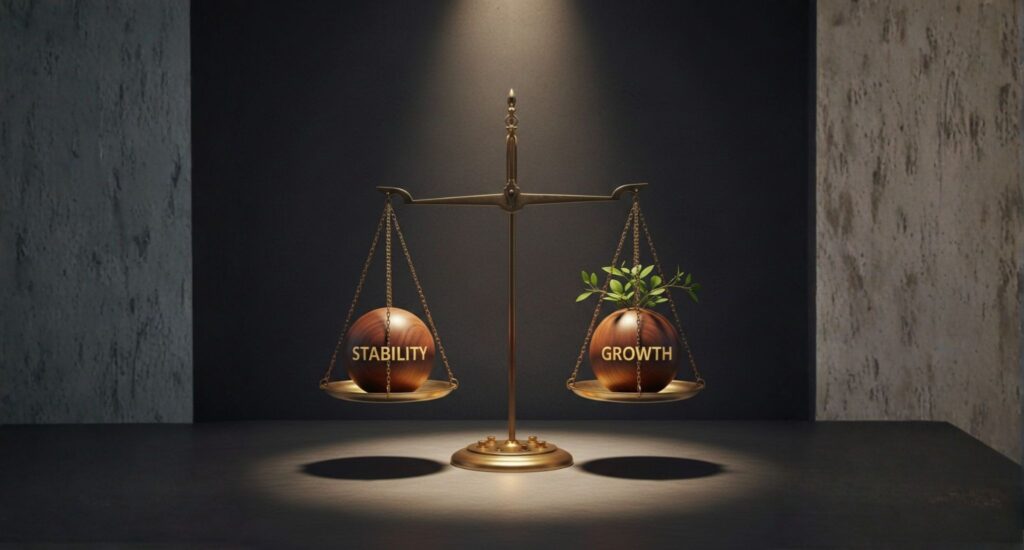
Most conclusions end with advice. Do this, do that, improve this, but honestly people don’t need advice or instruction because pause feels different for everyone at different times.
We just have to be more thoughtful about whether this supports the life you want to live or if it is constantly pulling you away from it. Answer honestly to yourself and try to make it correct. Sitting with questions, you have to let go of all the comparisons, other people’s timelines, and checking your own capacity. This question is not for an immediate answer but more about taking time and deciding what you feel at peace with. Maybe in 2026 you will be building a life where you don’t feel the need to escape, and your little heart can be at peace and enjoy your year more than any other year.
FAQs: Definition of Success in 2026
1. Why does constant growth no longer feel exciting to so many people?
With the growth of time, people are being more aware of the emotional pressure they carry. The earlier system was designed like this: growth will only come with more efforts, and if we are putting in more efforts, then only then will we be able to get more money and more respect. But it comes with constant pressure, and we have to be always available, performing under pressure, keeping on upgrading skills and what not, and with all of this we lose our emotional energy, which is not acceptable to many people, and therefore growth doesn’t feel exciting to so many people.
2. Is choosing stability the same as settling or giving up on ambition?
Here, look at it this way: we all have our priority list, and many times we are only prioritising work; we don’t bother about health issues, and family time is sacrificed because of that. Nowadays this idea is not the same; we all want growth, to earn well, and to do meaningful work, but we should not do that at the cost of our health, personal life, or peace of mind. Honestly, we are not robots that work 24×7 and without rest, and we take the work-life balance term seriously in 2026, so stability doesn’t mean absence of growth, but it allows people to grow at a pace that is sustainable rather than constant burnouts.
3. Why do people still feel guilty for wanting a slower, more predictable life?
Here the problem is with our mindset and what we are trained to think and what we have observed in the system. People in their 40s have seen the time where less pressure means less hunger, less discipline, and less courage. So if we want to grow, we have to grow our mindset too. We have to learn that this is not always the case; these are outdated definitions of success, not the reality. Predictable slow growth is also valuable and sustainable.
4. How is this shift in success different for Indian professionals and families?
In India, people carry too much responsibility for their family, finances, and stability. So choosing slower and stable growth over constant growth feels hard for Indian professionals. In India, prioritising mental health with strong ambitions and responsibility is a challenge. Also, the current job market, industry changes, and layoffs that never really stop are also important factors to look after.
5. How do you know when it’s time to prioritise stability over growth?
It cannot be stated as a fixed number or moment, but we have to look it up when, with the achievements, we don’t feel satisfaction; we don’t really enjoy going to work even if that is a high-income source; and when success starts affecting our mood, health, and overall relationships, it is the time we should focus on these factors responsibly. We should not wait till life feels harder.
6. What does success actually look like for many people in 2026?
Think about you enjoying going to your job; you don’t feel the pressure of working, you have a workday that ends on time, and family and friends are prioritised too, and everything is balanced. You get the income that is enough to plan a life without anxiety and doesn’t demand constant sacrifice. This is what sustainability looks like, and life becomes more meaningful.
Explore our blog on A Healthy Lifestyle in 2026 Isn’t About Diets or Workouts – It’s About Something Else.